

Services
The service portfolio of Eurometodix is organized under a modular and flexible approach, which allows it to adapt to different institutional contexts, methodological requirements and phases of the project cycle.
Our services can be contracted independently or integrated into broader solutions, depending on the analytical and operational needs of each client.
To facilitate understanding and application, the services are structured around four main axes, which are detailed below.

Axis I: Economic Studies and Analysis
This axis includes services focused on understanding the economic context, evaluating alternatives, and estimating impacts.
Macroeconomic and current situation analysis
- Analysis of the national and regional macroeconomic context.
- Monitoring of key variables: GDP, inflation, employment, exchange rate and interest rates.
- Identification of macroeconomic risks and development of prospective scenarios.
- Preparation of periodic reports on the economic situation.
Typical use: supporting strategic planning, program design, and decision-making in volatile environments.
Microeconomic and sectoral studies
- Analyses based on administrative microdata, surveys, or proprietary databases.
- Estimation of performance and efficiency indicators.
- Analysis of elasticities, segmentation and economic behavior.
- Sectoral and market studies with a quantitative approach.
Typical use: design and adjustment of interventions, targeting of beneficiaries and evaluation of intermediate results.
- Ex-ante, intermediate, and ex-post evaluations.
- Design of logical frameworks and theories of change.
- Application of quantitative and quasi-experimental methodologies.
- Measuring economic, social, and financial impacts.
- Typical use: meeting donor requirements, accountability, and institutional learning.
- Econometric projection models.
- Construction of baseline, optimistic, and adverse scenarios.
- Short, medium and long term projections.
- Simulation of the effects of policy changes or external shocks.
- Typical use: strategic planning, risk analysis, and forward-looking decision making.
- Macroeconomic and current situation analysis
- Microeconomic and sectoral studies
- Evaluation of policies, programs and projects
- Economic modeling and projections
Macroeconomic and current situation analysis
- Analysis of the national and regional macroeconomic context.
- Monitoring of key variables: GDP, inflation, employment, exchange rate and interest rates.
- Identification of macroeconomic risks and development of prospective scenarios.
- Preparation of periodic reports on the economic situation.
Typical use: supporting strategic planning, program design, and decision-making in volatile environments.
Microeconomic and sectoral studies
- Analyses based on administrative microdata, surveys, or proprietary databases.
- Estimation of performance and efficiency indicators.
- Analysis of elasticities, segmentation and economic behavior.
- Sectoral and market studies with a quantitative approach.
Typical use: design and adjustment of interventions, targeting of beneficiaries and evaluation of intermediate results.
Evaluation of policies, programs and projects
- Ex-ante, intermediate, and ex-post evaluations.
- Design of logical frameworks and theories of change.
- Application of quantitative and quasi-experimental methodologies.
- Measuring economic, social, and financial impacts.
- Typical use: meeting donor requirements, accountability, and institutional learning.
Economic modeling and projections
- Econometric projection models.
- Construction of baseline, optimistic, and adverse scenarios.
- Short, medium and long term projections.
- Simulation of the effects of policy changes or external shocks.
- Typical use: strategic planning, risk analysis, and forward-looking decision making.
Axis II: Advanced Data Management
Collection, processing, indicator construction, and visualization. This axis encompasses services aimed at ensuring the quality, consistency, and usability of data as the basis for any rigorous analysis.
Data collection and generation
- Design and implementation of surveys.
- Data collection using administrative sources.
- Web scraping and use of open sources.
- Integration of heterogeneous global databases.
Typical use: generation of primary evidence or consolidation of scattered information.
Data processing and management
- Database cleaning, validation and harmonization.
- Automation of processes and data pipelines.
- Methodological documentation and optimal traceability of information.
- Preparation of data for econometric and statistical analysis.
Typical use: strengthening information systems and improving internal analytical quality.
Indicators, metrics, and monitoring systems
- Design of customized global indicators and indices.
- Definition of KPIs aligned with strategic objectives.
- Systems for monitoring and tracking results.
- Construction of interactive digital dashboards.
Typical use: operational monitoring of programs, institutional reporting, and continuous decision-making.
- Data collection and generation
- Data processing and management
- Indicators, metrics, and monitoring systems
Data collection and generation
- Design and implementation of surveys.
- Data collection using administrative sources.
- Web scraping and use of open sources.
- Integration of heterogeneous global databases.
Typical use: generation of primary evidence or consolidation of scattered information.
Data processing and management
- Database cleaning, validation and harmonization.
- Automation of processes and data pipelines.
- Methodological documentation and optimal traceability of information.
- Preparation of data for econometric and statistical analysis.
Typical use: strengthening information systems and improving internal analytical quality.
Indicators, metrics, and monitoring systems
- Design of customized global indicators and indices.
- Definition of KPIs aligned with strategic objectives.
- Systems for monitoring and tracking results.
- Construction of interactive digital dashboards.
Typical use: operational monitoring of programs, institutional reporting, and continuous decision-making.
Axis III: Sustainability and Environmental Analysis
Environmental assessment, integration of ESG criteria, and climate risk analysis. This axis incorporates the environmental dimension into economic analysis and strategic decision-making.
Environmental impact assessment
- Environmental impact analysis of projects, policies and investments.
- Measuring carbon footprint, resource use and externalities.
- Identification of environmental risks associated with interventions.
Typical use: evaluation of project sustainability and compliance with regulatory or donor requirements.
Integration of ESG criteria
- Incorporation of environmental, social and governance factors into economic and financial analysis.
- Design of assessment frameworks aligned with international standards.
- Support in reporting and compliance with ESG requirements.
Typical use: strategic alignment with sustainability criteria and access to international financing.
Climate modeling and risk analysis
- Building scenarios for energy transition and climate change.
- Physical and transition risk assessment.
- Sensitivity analysis to climate or regulatory shocks.
Typical use: strategic planning and medium- and long-term risk management.
Sustainability indicators and metrics
- Development of environmental and sustainable performance indicators.
- Integration into monitoring and evaluation systems.
- Monitoring climate and environmental objectives.
Typical use: institutional reporting and continuous evaluation of environmental performance.
- Environmental impact assessment
- Integration of ESG criteria
- Climate modeling and risk analysis
- Sustainability indicators and metrics
Environmental impact assessment
- Environmental impact analysis of projects, policies and investments.
- Measuring carbon footprint, resource use and externalities.
- Identification of environmental risks associated with interventions.
Typical use: evaluation of project sustainability and compliance with regulatory or donor requirements.
Integration of ESG criteria
- Incorporation of environmental, social and governance factors into economic and financial analysis.
- Design of assessment frameworks aligned with international standards.
- Support in reporting and compliance with ESG requirements.
Typical use: strategic alignment with sustainability criteria and access to international financing.
Climate modeling and risk analysis
- Building scenarios for energy transition and climate change.
- Physical and transition risk assessment.
- Sensitivity analysis to climate or regulatory shocks.
Typical use: strategic planning and medium- and long-term risk management.
Sustainability indicators and metrics
- Development of environmental and sustainable performance indicators.
- Integration into monitoring and evaluation systems.
- Monitoring climate and environmental objectives.
Typical use: institutional reporting and continuous evaluation of environmental performance.
Axis IV: Political Analysis
Strategic political and regulatory analysis
Designed around the client's objectives, integrating econometric tools, advanced statistics and data science to address complex problems with precision.
This scope includes:
- Political analysis of the current situation and its impact on economic sectors.
- Identifying political and economic risks and opportunities in complex geopolitical contexts.
- Legislative and regulatory monitoring, evaluating regulatory changes and their implications for companies and institutions.
Political intelligence and public and private decision-making
We turn technical results into clear, operational, and action-oriented recommendations, facilitating more efficient and evidence-based decision-making.
This axis includes the following:
- Political intelligence reports and specific analyses tailored to each client.
- Design and planning of government programs and public policies.
- Customized analyses based on rigorous methodologies to support strategic decisions.
- Strategic political and regulatory analysis
- Political intelligence and public and private decision-making
Strategic political and regulatory analysis
Designed around the client's objectives, integrating econometric tools, advanced statistics and data science to address complex problems with precision.
This scope includes:
- Political analysis of the current situation and its impact on economic sectors.
- Identifying political and economic risks and opportunities in complex geopolitical contexts.
- Legislative and regulatory monitoring, evaluating regulatory changes and their implications for companies and institutions.
Political intelligence and public and private decision-making
We turn technical results into clear, operational, and action-oriented recommendations, facilitating more efficient and evidence-based decision-making.
This axis includes the following:
- Political intelligence reports and specific analyses tailored to each client.
- Design and planning of government programs and public policies.
- Customized analyses based on rigorous methodologies to support strategic decisions.
Cross-cutting services
In addition to the main services, Eurometodix offers highly specialized AD HOC technical services, including:
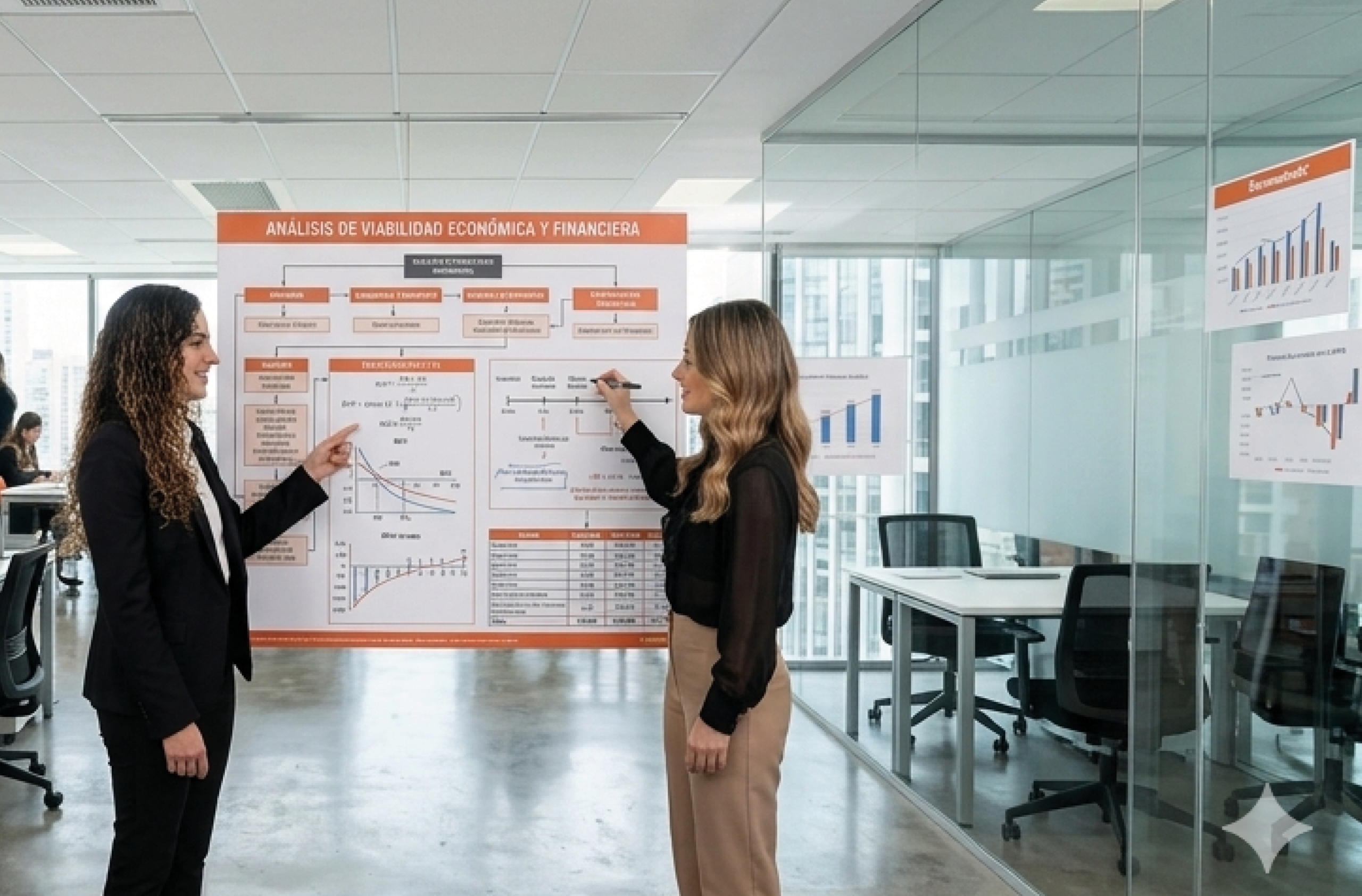
- Economic and financial feasibility analysis.
- Cost-benefit and cost-effectiveness evaluation.
- Calculation of financial indicators (NPV, IRR, ROCE) in institutional projects.
- Specialized technical assistance for bidding processes and proposal formulation.
- Technical support to internal client teams.
These services allow us to respond to specific and highly complex needs, while maintaining methodological consistency with the rest of the offering.